Global web icon
wikipedia.org
https://en.wikipedia.org/wiki/Defecation
Defecation - Wikipedia
Defecation (or defaecation) follows digestion and is the necessary biological process by which organisms eliminate a solid, semisolid, or liquid waste material known as feces (or faeces) from the digestive tract via the anus or cloaca.
Global web icon
britannica.com
https://www.britannica.com/science/defecation-phys…
Defecation | Anatomy, Physiology & Benefits | Britannica
Defecation, the act of eliminating solid or semisolid waste materials (feces) from the digestive tract. In human beings, wastes are usually removed once or twice daily, but the frequency can vary from several times daily to three times weekly and remain within normal limits.
Global web icon
nih.gov
https://www.ncbi.nlm.nih.gov/sites/books/NBK539732…
Physiology, Defecation - StatPearls - NCBI Bookshelf
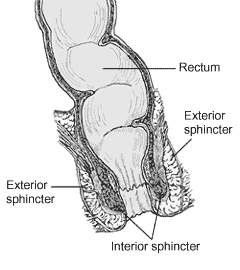
The process begins with mass movement from the colon to the rectum, initiating the defecation reflex, which involves rectal contraction and internal and external anal sphincter relaxation. Defecation is involuntary from the colon to the internal anal sphincter, where smooth muscles push feces out.
Global web icon
biologyinsights.com
https://biologyinsights.com/what-is-defaecation-an…
What Is Defaecation and How Does It Work? - Biology Insights
When defecation proceeds, signals cause strong contractions in the colon and rectum, propelling feces toward the anus. Simultaneously, the external anal sphincter is voluntarily relaxed, and abdominal muscles contract, increasing intra-abdominal pressure to assist in expelling the stool.
Global web icon
medicalnewstoday.com
https://www.medicalnewstoday.com/articles/defecati…
Defecation reflex: Overview and what can affect it? - Medical News Today
However, most people have a bowel movement one to three times daily. This article explores the defecation reflex, the types of defecation reflexes, what triggers defecation, and more.
Global web icon
dovemed.com
https://www.dovemed.com/health-topics/focused-heal…
Physiology of Defecation: Unraveling the Intricate Mechanisms ... - DoveMed
Explore the physiology of defecation, including gastrointestinal motility, rectal filling and sensation, the defecation reflex, and factors affecting bowel movements. Understand the importance of healthy bowel habits and learn how to address constipation or difficulties with stool elimination.
Global web icon
teachmephysiology.com
https://teachmephysiology.com/gastrointestinal-sys…
Defecation - Rectum - Control - TeachMePhysiology
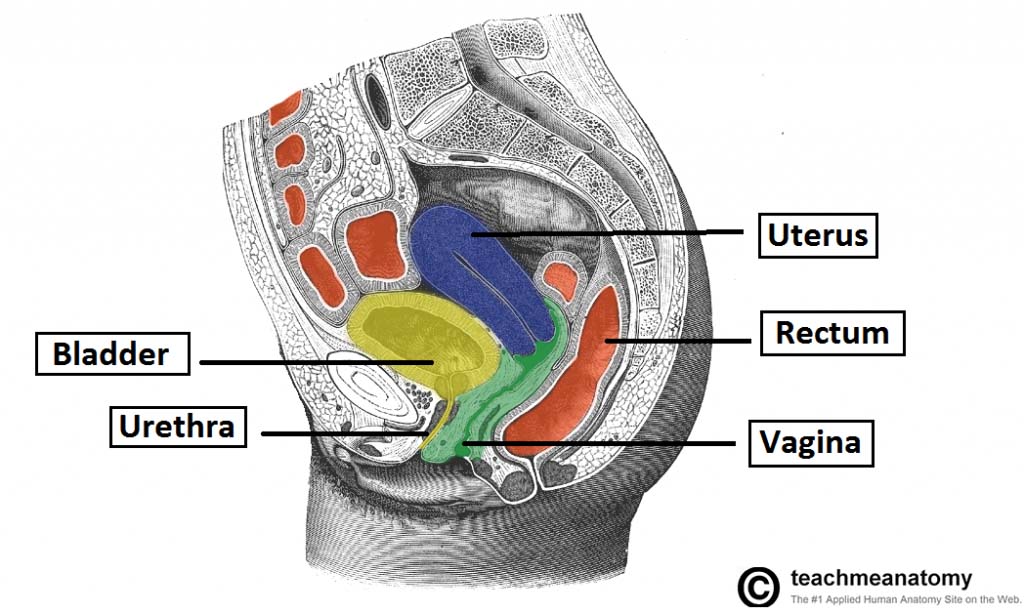
The rectum is reponsible for temporary storage of faeces before defecation. As it becomes filled the rectal walls expand and stretch receptors stimulate the desire to defecate.
Global web icon
merriam-webster.com
https://www.merriam-webster.com/dictionary/defecat…
DEFECATION Definition & Meaning - Merriam-Webster
The meaning of DEFECATION is the discharge of solid waste from the anus : the act or process of defecating. How to use defecation in a sentence.
Global web icon
pressbooks.pub
https://iu.pressbooks.pub/humanphys/chapter/defeca…
Defecation – Basic Human Physiology
When undigested material reaches the distal colon and rectum it triggers a coordinated series of events known collectively as the defecation reflex. As the rectum fills, its walls stretch and activate mechanoreceptors in the rectal mucosa.
Global web icon
nature.com
https://www.nature.com/articles/s41575-021-00487-5
Understanding the physiology of human defaecation and ... - Nature
Bampton, P. A. et al. Spatial and temporal organization of pressure patterns throughout the unprepared colon during spontaneous defecation. Am. J. Gastroenterol. 95, 1027–1035 (2000).